
How to Solve Any Problem in 5 Simple Steps (Beginner Guide)
Many people feel stuck when facing a challenge, not because the problem is impossible, but because they do not have a clear system to solve it. The good news is that problem-solving is a skill you can improve with the right approach.
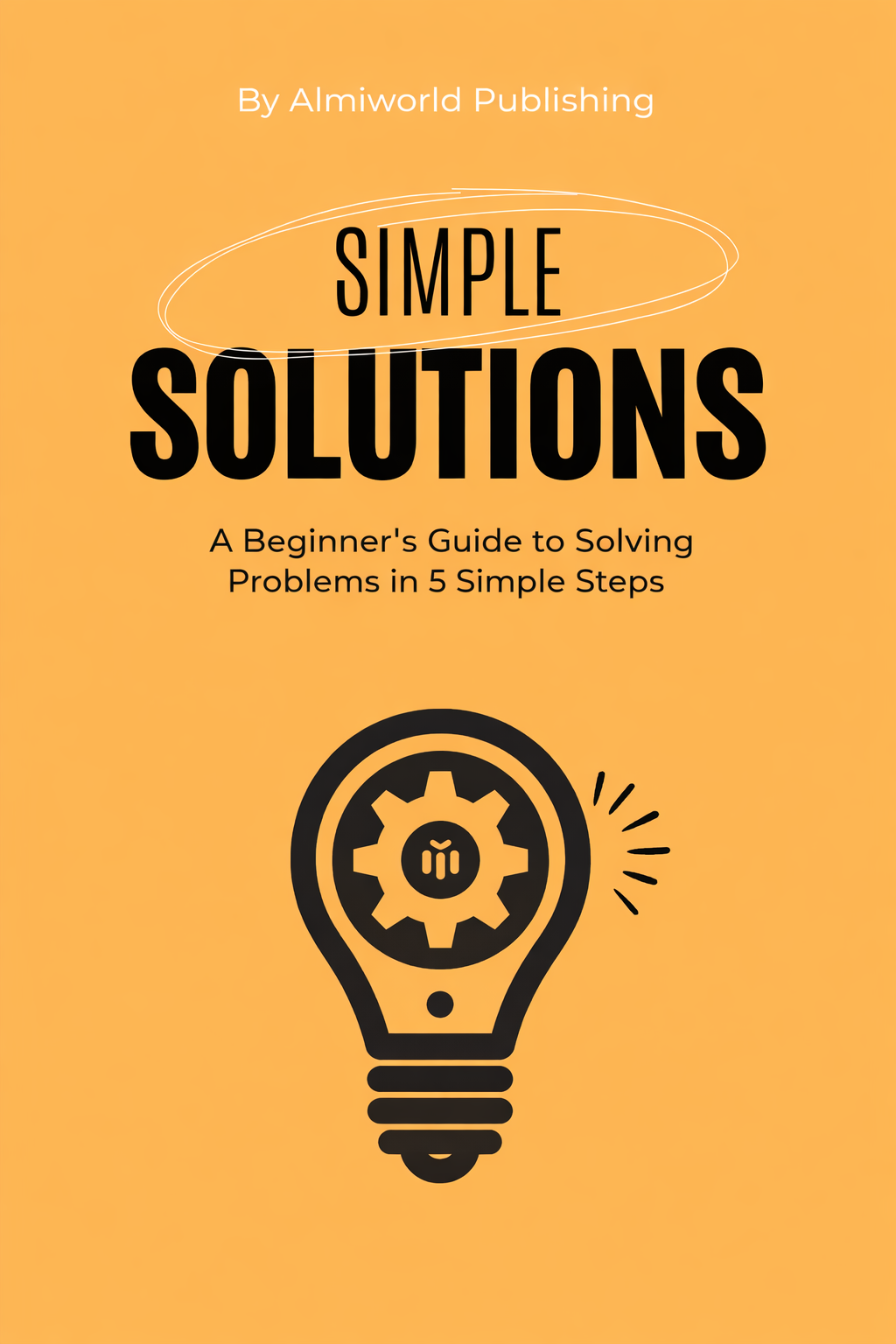
Get our practical guide and learn how to think clearly, reduce overthinking, and solve problems with confidence.
Why Most People Struggle With Problems
When a problem appears, many people react with stress, confusion, or overthinking. Instead of breaking the issue down, they try to solve everything at once. That usually creates more frustration.
The real solution is simple: use a clear system and move one step at a time.
Step 1: Understand the Real Problem
The first step is to clearly identify what is actually wrong. Many people try to solve the symptoms instead of the real issue.
Ask yourself:
- What exactly is the problem?
- Why is it happening?
- What is causing the stress or confusion?
Clarity is always the starting point.
Step 2: Break It Into Smaller Parts
Big problems feel overwhelming when you look at them as one giant issue. Breaking them into smaller parts makes them easier to handle and gives you a clear place to begin.
Instead of saying, “My whole situation is a mess,” define the smaller pieces one by one.
Step 3: Think of Possible Solutions
Once the problem is clear, list possible solutions. At this stage, do not judge your ideas too quickly. Just write down different options and possibilities.
This helps you move from panic to practical thinking.
Step 4: Choose the Best Option
Now compare your solutions and choose the one that makes the most sense right now.
Ask yourself:
- Which option is practical?
- Which one gives the best result?
- Which one can I start today?
The goal is not perfection. The goal is progress.
Step 5: Take Action and Adjust
Action is what turns thinking into results. Even a small step forward is better than staying stuck in fear or confusion.
After taking action, look at the result and adjust if needed. Good problem-solvers stay flexible and keep improving their approach.
Why a System Makes Everything Easier
When you have a repeatable system, problems stop feeling so heavy. You become calmer, more focused, and more confident because you know what to do next.
That is why learning problem-solving skills is useful in every area of life — work, personal challenges, decision-making, and everyday situations.
Ready to Solve Problems With More Confidence?
Get the complete beginner-friendly guide with practical steps, examples, and helpful exercises.
Final Thoughts
Every problem becomes easier when you approach it with clarity and structure. You do not need to know everything at once. You just need a simple process you can trust.
If you want a complete step-by-step guide, practical examples, and a beginner-friendly system, check out our Simple Solutions guide here.